
A Market That Never Stands Still
Consumer expectations have changed dramatically. Limited editions, seasonal collections, regional campaigns, product collaborations, and personalized packaging are no longer reserved for major brands, they have become common across food, beverages, cosmetics, personal care, and many other markets.
Instead of launching one design for several years, brands now expect multiple versions of the same product throughout the year. Packaging has become a dynamic marketing tool, requiring manufacturers to produce smaller quantities more often while maintaining consistent quality and competitive costs.

Flexibility Has Become a Competitive Advantage
For manufacturers, this shift presents both challenges and opportunities. Producing shorter runs means more frequent design changes, tighter production schedules, and greater pressure to reduce setup times and waste.
Success is no longer measured solely by output per hour. It also depends on how quickly a production line can switch from one job to the next, how efficiently it handles multiple SKUs, and how easily it can respond to unexpected market demands. In many cases, the ability to produce several short runs in a day has become more valuable than maximizing a single long production run.
Technology Is Driving the Transition
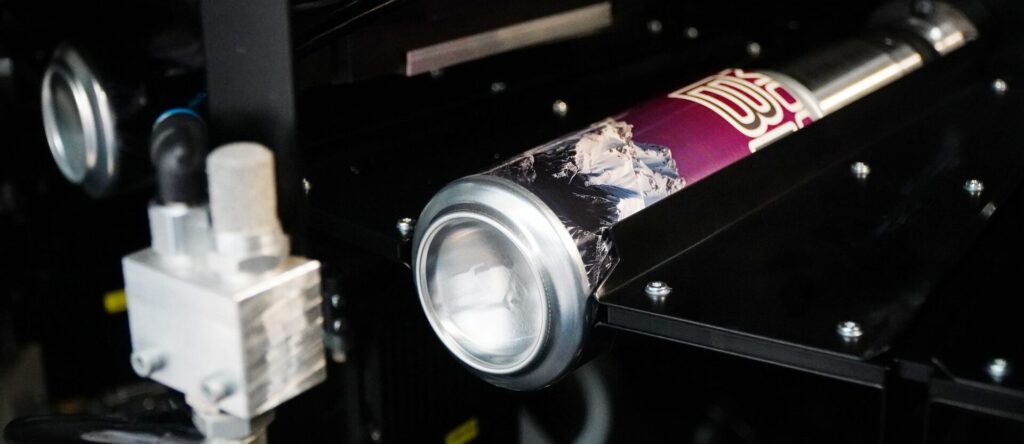
Meeting these new expectations requires production technologies that are designed for flexibility. Digital printing has transformed the economics of short runs by eliminating plates and enabling instant design changes, making it possible to produce exactly the quantity required.
At the same time, conventional technologies such as dry offset, prime offset, screen printing, and flexographic printing continue to deliver unmatched productivity for medium and high-volume production. Rather than replacing one another, these technologies complement each other, allowing manufacturers to choose the most efficient process for every application.
Preparing for the Future
The demand for shorter production runs is unlikely to slow down. As product portfolios continue to grow and marketing campaigns become increasingly targeted, manufacturers will need production environments that can adapt quickly without compromising quality or profitability.
Companies that embrace flexibility today will be better equipped to respond to tomorrow’s market opportunities. In a world where change has become the norm, the ability to produce the right quantity, at the right time, with the right technology is becoming one of the industry’s greatest competitive advantages.