
Two Technologies, Different Printing Processes
Screen printing uses a patterned mesh screen to transfer ink onto the container surface. Each colour generally requires a separate screen and printing station, with the final design created through successive printing operations.
Its main advantage is the ability to apply relatively thick ink layers, achieving excellent opacity, strong solid colours and distinctive tactile or decorative effects. This makes it particularly relevant for premium cosmetic packaging, including tubes, bottles and jars.
Digital inkjet printing, on the other hand, deposits ink directly onto containers through electronically controlled printheads. Designs are reproduced from digital files, eliminating the need for physical screens.
This approach is particularly effective for photographic images, fine details, gradients and complex multicolour graphics. It also enables variable data printing, allowing individual containers to feature different designs or information within the same production run.
Where Does Each Technology Stand Out?
Different Visual Strengths
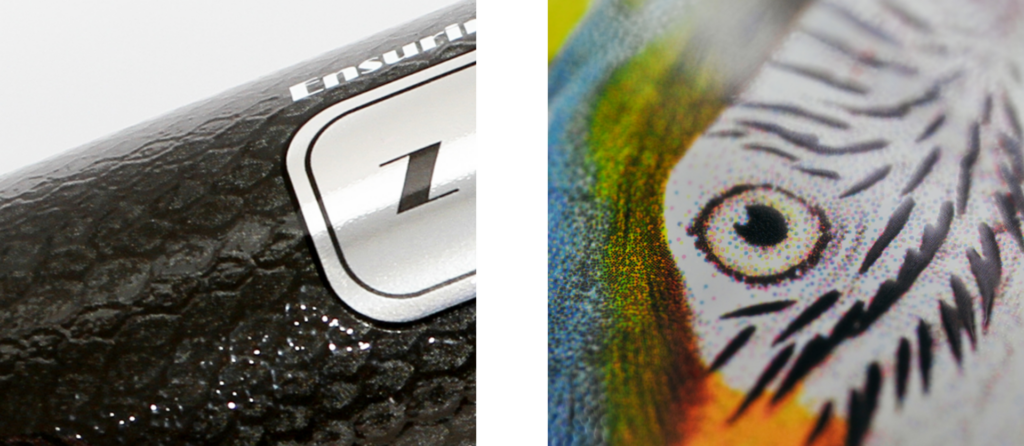
Screen printing is particularly effective when decoration requires high opacity, substantial ink deposits or pronounced tactile effects. It also supports specialized inks and finishes that contribute to a premium appearance.
Digital printing offers greater freedom for detailed artwork, photorealistic images and complex colour transitions. Certain decorative effects can also be achieved digitally, although generally with less pronounced texture and ink thickness than screen printing.
Flexibility Without Compromising Productivity
Screen printing can deliver excellent productivity when producing large quantities of identical designs. However, each artwork change generally involves new screens, registration adjustments and machine setup.
Digital printing removes many of these constraints. Artwork can be changed directly through digital files, while industrial systems can maintain high production rates. This is particularly valuable for manufacturers handling multiple SKUs, seasonal campaigns or personalized packaging.
The Impact of Design Variety on Costs
The economics of packaging decoration depend on more than production volume.
Consider one million containers produced with a single design versus the same quantity divided across 20 different designs.
With screen printing, each additional design introduces screen preparation and changeover costs. Digital printing eliminates these tooling expenses, making it possible to manage greater design variety without a proportional increase in setup costs.
This means digital printing can remain economically attractive even for high-volume production, particularly when manufacturers need to combine substantial output with frequent artwork changes.
Choosing According to Production Priorities
The choice between screen printing and digital inkjet should reflect the specific requirements of the packaging application.
For manufacturers prioritizing solid colours, thick ink deposits and distinctive premium finishes, screen printing remains a highly effective solution.
For those seeking photorealistic graphics, personalization and greater flexibility across multiple designs, digital printing offers significant advantages.
Ultimately, the most efficient technology is not necessarily the one with the highest printing speed or the lowest cost per container. It is the one that best balances decoration quality, production requirements and overall operating costs.