
Every Technology Has Its Strengths
Conventional decoration technologies such as dry offset, prime offset, screen printing, flexographic printing, and hot stamping have been refined over decades. They offer exceptional productivity, outstanding print quality, and highly competitive costs for medium and high-volume production.
Digital inkjet printing brings different advantages. It enables instant design changes, eliminates the need for printing plates, supports variable data, and makes short runs economically viable. These capabilities allow manufacturers to produce personalized designs, limited editions, regional campaigns, and frequent artwork changes with unprecedented flexibility.
Neither approach is inherently better, they simply solve different production challenges.
Choosing the Right Tool for the Job
Let’s look at the beverage market for example. While a big beverage manufacturer producing millions of identical cans will benefit strongly from the productivity of conventional printing, a small brewery, launching many different beers, will require the flexibility of digital printing. That said, another manufacturer may also use both technologies within the same production environment, depending on it’s products and campaigns.
So the question is no longer “Which technology is best?” but rather “Which technology is best for this application?”.
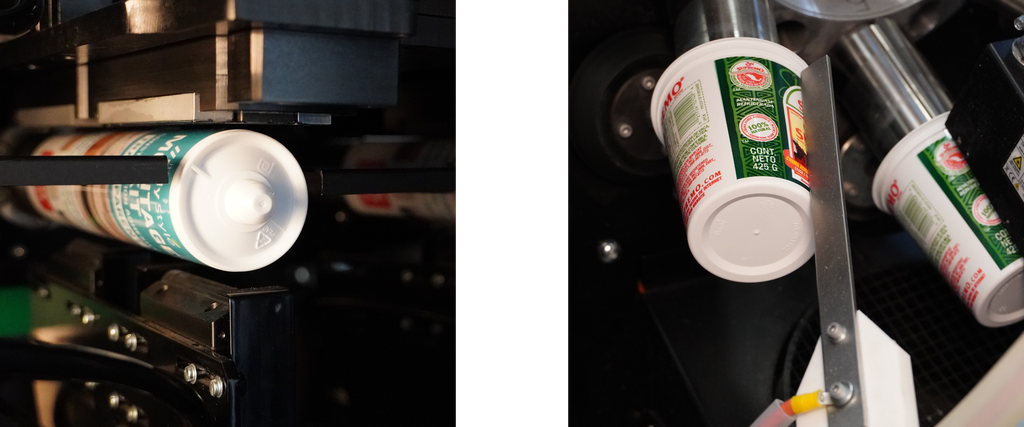
Hybrid Production Is Becoming the New Standard
As market demands become more diverse, manufacturers are increasingly investing in complementary technologies rather than replacing existing ones.
Conventional printing continues to provide the efficiency required for long production runs, while digital printing fills the gap where flexibility, personalization, and rapid changeovers are essential. Together, they allow manufacturers to optimize production, reduce waste, and respond more effectively to changing customer requirements.
This hybrid approach offers the best of both worlds: maximum productivity when volumes are high and maximum flexibility when markets demand something different.
Finding the Right Balance
The future of packaging decoration is not digital or conventional, it is both.
As brands continue to diversify their product portfolios and accelerate product launches, manufacturers will need a broader range of production capabilities than ever before. Companies that understand the strengths of each decoration technology will be better equipped to deliver the right solution for every project.
Ultimately, success is not about choosing sides. It’s about choosing the technology that creates the greatest value for your customer.