
Eliminating Unnecessary Materials
Unlike traditional decoration methods that rely on labels or sleeves, direct-to-shape printing applies the design directly onto the container itself. This eliminates additional materials, reduces production steps, and simplifies the overall packaging structure.
Fewer materials also mean less handling, reduced transportation requirements, and, depending on the application, easier recycling at the end of the product’s life.
Producing Only What’s Needed
Modern decoration technologies allow manufacturers to produce exactly the quantity required. Short runs, limited editions, and design updates can be completed without creating unnecessary inventory or disposing of outdated packaging.
By printing only what is needed, brands can reduce waste while remaining more responsive to changing market demands.
Sustainability Goes Beyond Decoration
Creating more sustainable packaging isn’t about a single technology or material. It’s about optimizing every stage of the production process, from design and manufacturing to logistics and end-of-life recycling.
Direct-to-shape printing contributes to this approach by reducing unnecessary materials, improving production efficiency, and enabling manufacturers to adapt more quickly to changing customer requirements.
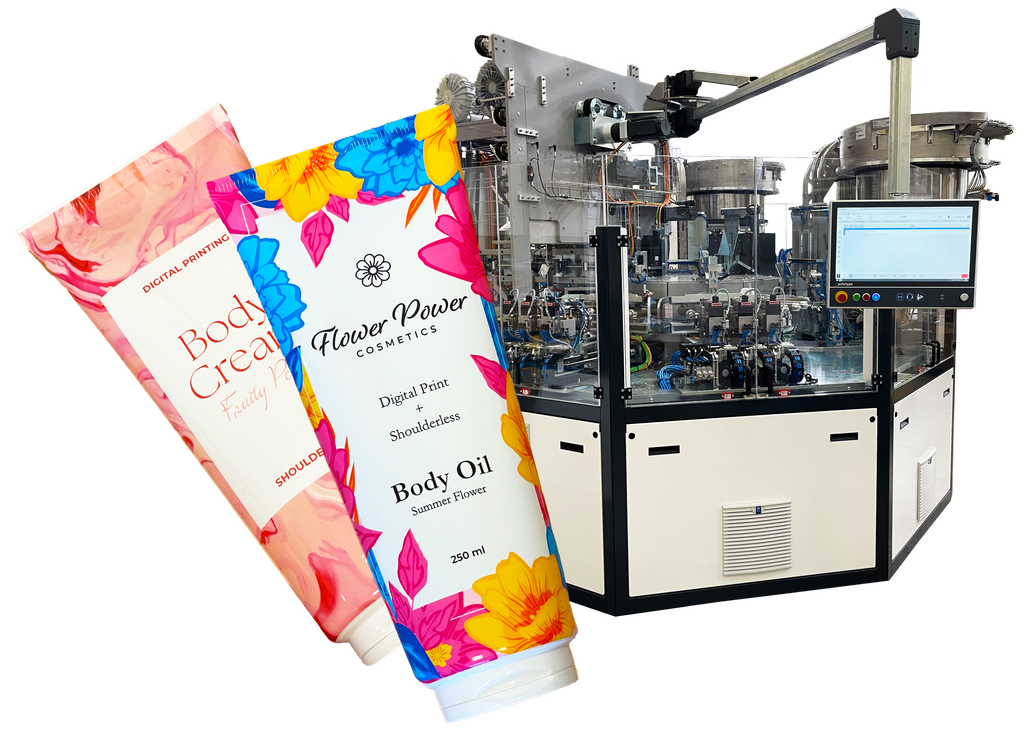
But packaging design also plays a key role. Shoulderless tubes, for example, reduce the amount of plastic required while offering a modern, premium appearance. Combined with innovative manufacturing and decoration technologies, they help brands lower material consumption without compromising product quality or shelf appeal.
The Bigger Picture
There is no single solution to sustainable packaging. It requires continuous innovation across materials, production processes, and decoration technologies.
By combining efficient manufacturing with smarter decoration methods, direct-to-shape printing helps brands move toward more sustainable packaging without compromising quality, flexibility, or productivity. In the years ahead, sustainability will continue to be driven not only by what packaging is made of, but also by how it is produced.