
From Design to Production in Record Time
Traditional printing technologies require several preparation steps before production can begin. Artwork must be separated, printing plates produced, colours adjusted, and the press prepared for each new design. These processes are highly efficient for long production runs but inevitably add time before the first product can be printed.
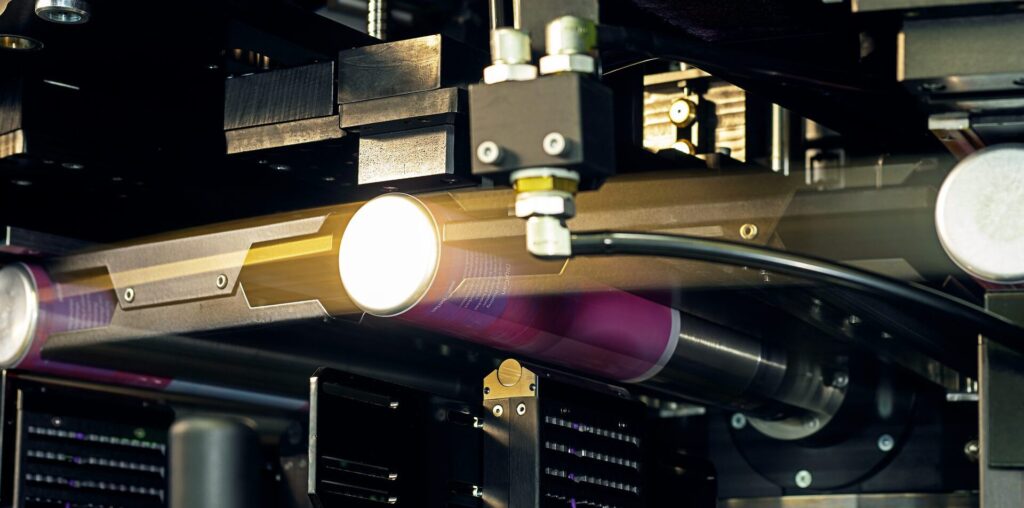
Digital printing eliminates many of these preparation stages. Designs can be sent directly to the press, allowing production to start almost immediately. Changing from one design to another becomes a matter of seconds rather than hours, enabling manufacturers to react quickly to customer requests and changing market conditions.
Faster Launches, Greater Opportunities
The ability to reduce lead times opens new possibilities for brands. Instead of planning campaigns months in advance, marketing teams can launch products closer to market demand, react to current events, or test new concepts without committing to large inventories.
Limited editions, regional variations, promotional packaging, product collaborations, and personalized designs all become easier to produce. Brands gain the freedom to innovate more frequently while reducing the risks associated with traditional production planning.
Speed Without Compromising Quality
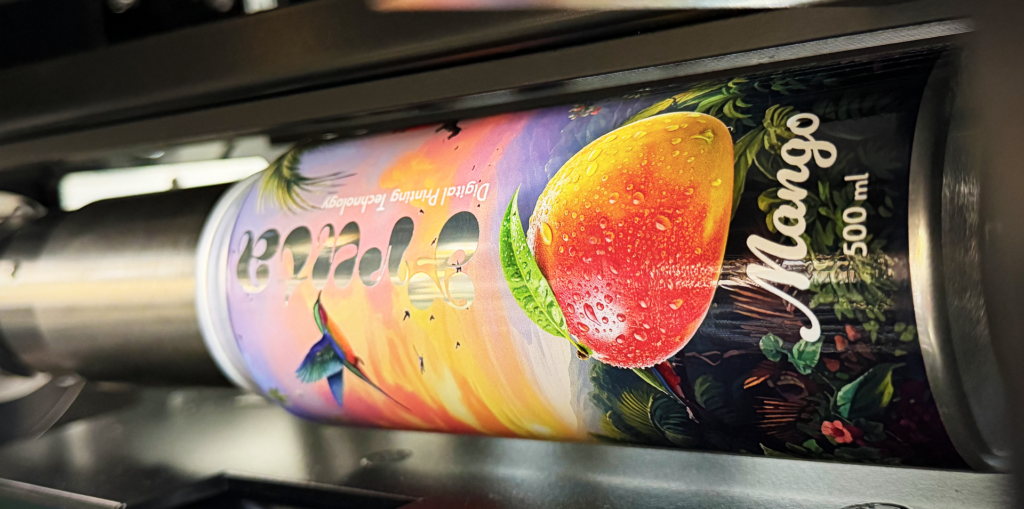
Greater speed does not mean sacrificing print quality. Modern digital inkjet technology delivers vibrant colours, sharp details, smooth gradients, and photorealistic images that meet the expectations of today’s premium packaging markets. At the same time, digital workflows reduce manual intervention, simplify production planning, and minimize setup waste. Manufacturers can produce exactly the quantity required while maintaining consistent quality from the first product to the last.
A Technology That Complements Conventional Printing
Digital printing is not intended to replace conventional decoration technologies. Dry offset, prime offset, screen printing, and flexographic printing remain the preferred choice for many high-volume applications where maximum productivity is essential.
Instead, digital printing expands production capabilities. It offers manufacturers the flexibility to efficiently produce short runs, variable designs, and personalized packaging, while conventional technologies continue to deliver exceptional performance for larger production volumes. Together, they provide the versatility needed to meet an increasingly diverse range of customer requirements.
Looking Ahead
As product lifecycles continue to shorten and consumer expectations evolve, the ability to move quickly from idea to production will become even more valuable. Digital printing is helping manufacturers reduce lead times, increase flexibility, and bring new products to market faster than ever before.
In a world where speed often determines success, shortening time-to-market is no longer simply an operational benefit, it has become a strategic advantage.